The Industry Didn't Shrink — It Restructured
The predicted collapse of IT services under AI hasn't happened. What has happened is a restructuring of how software gets built, staffed, and billed. Firms that adapted their delivery model are growing; firms that kept selling the same hours-based staffing model are struggling to explain their pricing.
1. From Headcount-Based to Outcome-Based Engagements
Clients increasingly resist paying for a fixed team of developers by the hour when AI tooling lets a smaller team ship the same output. The engagement model shifting fastest is toward fixed-scope, outcome-based contracts — you pay for the feature shipped, not the hours logged.
2. AI-Assisted Development Is Now the Baseline
Writing code without AI-assisted tooling is now the exception, not the norm, across most professional software teams. The differentiator between IT firms in 2026 isn't whether they use AI coding tools — it's whether they've redesigned code review, testing, and architecture practices around the fact that a much larger volume of code is now AI-generated.
3. QA and Testing Are Being Rebuilt Around AI
- AI-generated test cases catching edge cases human QA teams historically missed
- Automated regression testing running continuously rather than before releases
- Human QA effort shifting toward exploratory testing and user-experience judgment calls AI still handles poorly
4. IT Services Firms Are Becoming AI Integration Partners
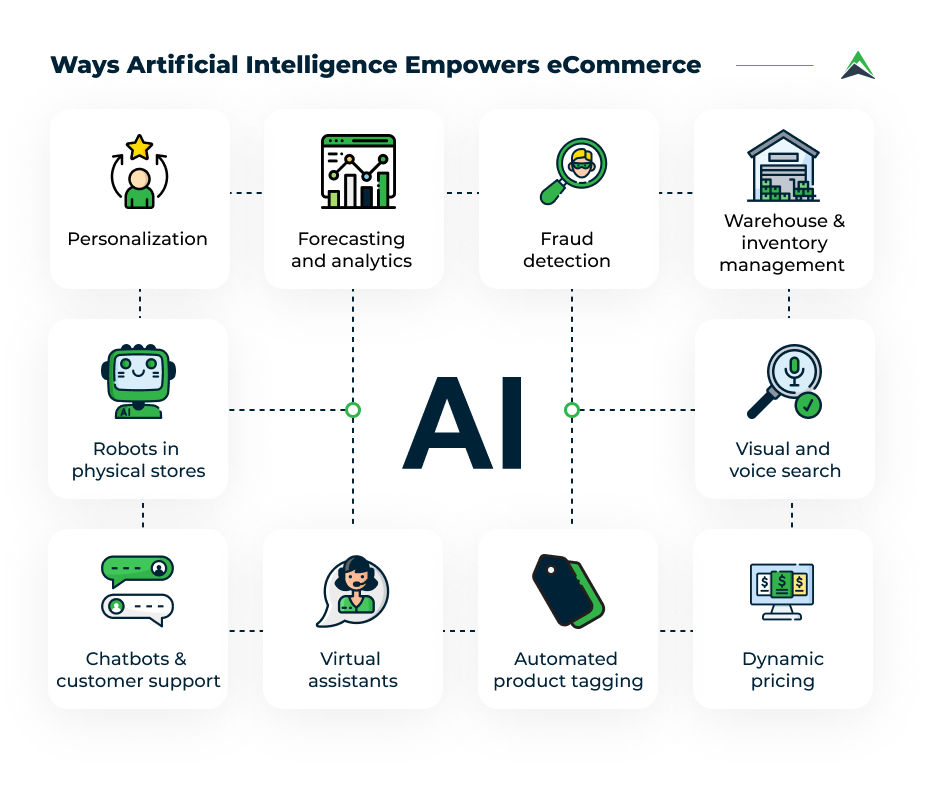
A large share of new IT services revenue in 2026 isn't "build us an app" — it's "help us integrate AI into the systems we already have." This favors firms with genuine AI/ML depth over firms that added "AI-powered" to their marketing without changing their delivery capability.
5. What This Means for Hiring and Skills
Junior-developer hiring has slowed industry-wide as AI tools absorb more routine coding work, while demand has risen sharply for engineers who can architect systems, review AI-generated code critically, and integrate AI into legacy environments — a different, harder-to-hire skill set than pure coding speed.
Partner with SonBarsa
SonBarsa operates as exactly this kind of AI integration partner — pairing web, mobile, and cloud development with real generative AI and machine learning expertise, for businesses that need more than a hosted chatbot bolted onto an existing product.